GLP-1 info
The science
of GLP-1
8 min read
Introducing GLP-1 medicines, a revolutionary path to successful and lasting weight loss. Available as daily tablets or weekly injections, scientists have found that what was once just a diabetes medication could in fact be a breakthrough for obesity. Keep reading to learn about the science of GLP-1 and why the results are so effective.

What is GLP-1?
GLP-1 (glucagon-like peptide-1) is a natural hormone your body produces. It helps regulate blood sugar, appetite, and how quickly your stomach empties. These actions together influence how full you feel and how much you eat.
Some prescription medicines mimic GLP-1 to support diabetes care or medical weight management. These medicines must be evaluated and monitored by qualified healthcare professionals.
IMPORTANT
Only a licensed medical professional can determine if a GLP-1 medicine is safe or appropriate for you. FitYou does not prescribe, promote, or replace medical supervision.
The discovery of GLP-1
1987
Positive side effect diabetes
Originally, GLP-1 agonists were created to treat diabetes. People with diabetes have too much sugar in their blood, and GLP-1 drugs help by increasing incretin hormone levels that stimulate insulin production. Insulin is required to bring blood sugar levels down, by letting sugar become absorbed from the blood into nearby cells.
2000
Testing effect on digestion
When testing the effect of GLP-1 agonists, it was also discovered that they reduced the rate of digestion and slowed down stomach emptying. This caused a decrease in appetite and led many trialled patients to lose weight.
2014
Approved for weight loss
It wasn’t until many years of further testing that the first GLP-1 drug was approved for the treatment of weight loss in obese individuals. It has since worked to help thousands of people across the globe achieve their weight loss goals.
The science of GLP-1: What does it influence?
GLP-1 is a naturally occurring hormone in the human body. It plays a role in regulating appetite, digestion rhythm, and how the body responds to food. Here’s what the research shows about how GLP-1 influences hunger and fullness:

Supporting natural appetite signals:
Your body naturally produces GLP-1 after you eat. It sends signals to the brain that help you feel satisfied and reduce unnecessary hunger. Understanding these biological cues allows FitYou to design routines that work with your natural appetite rhythm, not against it.

Influencing digestion rhythm:
GLP-1 is involved in how quickly or slowly food moves through your digestive system. When digestion happens at a balanced pace, it can help you feel full for longer and avoid frequent snacking. This is why FitYou focuses heavily on meal timing and mindful eating to support better digestion.

Helping maintain energy balance:
GLP-1 plays a role in how the body manages energy from food. Balanced GLP-1 activity can support more stable energy levels throughout the day. FitYou helps reinforce this stability naturally through routines that include sleep consistency, hydration, meal structure, and stress management.
Is GLP-1 scientifically proven?
GLP-1 is a naturally occurring hormone in the human body. Scientists have studied it for decades to understand how it influences appetite, digestion rhythm, and how satisfied people feel after eating. Many studies highlight how GLP-1 helps your body regulate fullness and energy balance.
One well-known area of research explores how people respond when their hunger signals are more stable. In controlled behavioural studies, participants with balanced GLP-1 activity naturally reported fewer cravings and better appetite awareness. Below is a simplified representation of how participants described changes in their eating patterns.
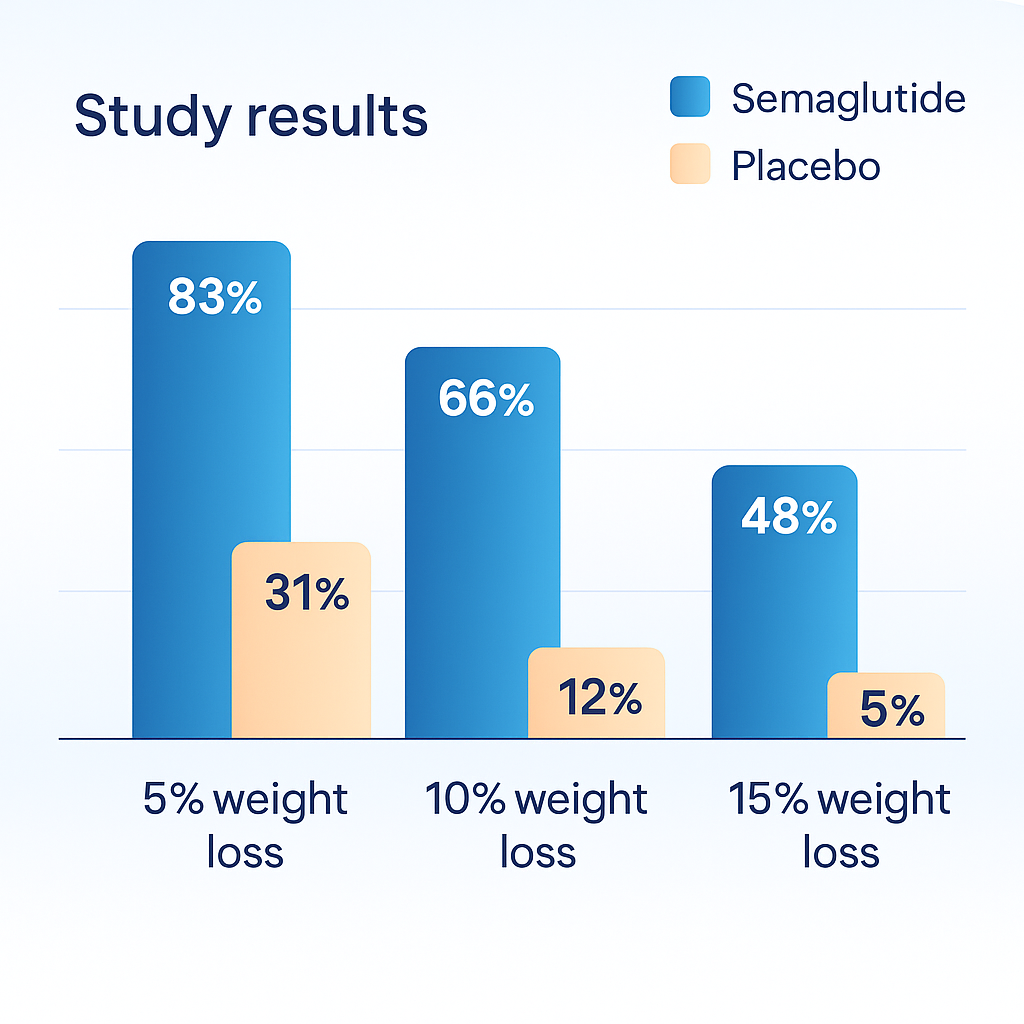
Results found that:
- People with more stable hunger cues reported a noticeable improvement in how quickly they felt full during meals.
- Participants relying on structured routines alone also showed improvements in appetite awareness, though the changes were smaller compared to those with naturally balanced GLP-1 responses.
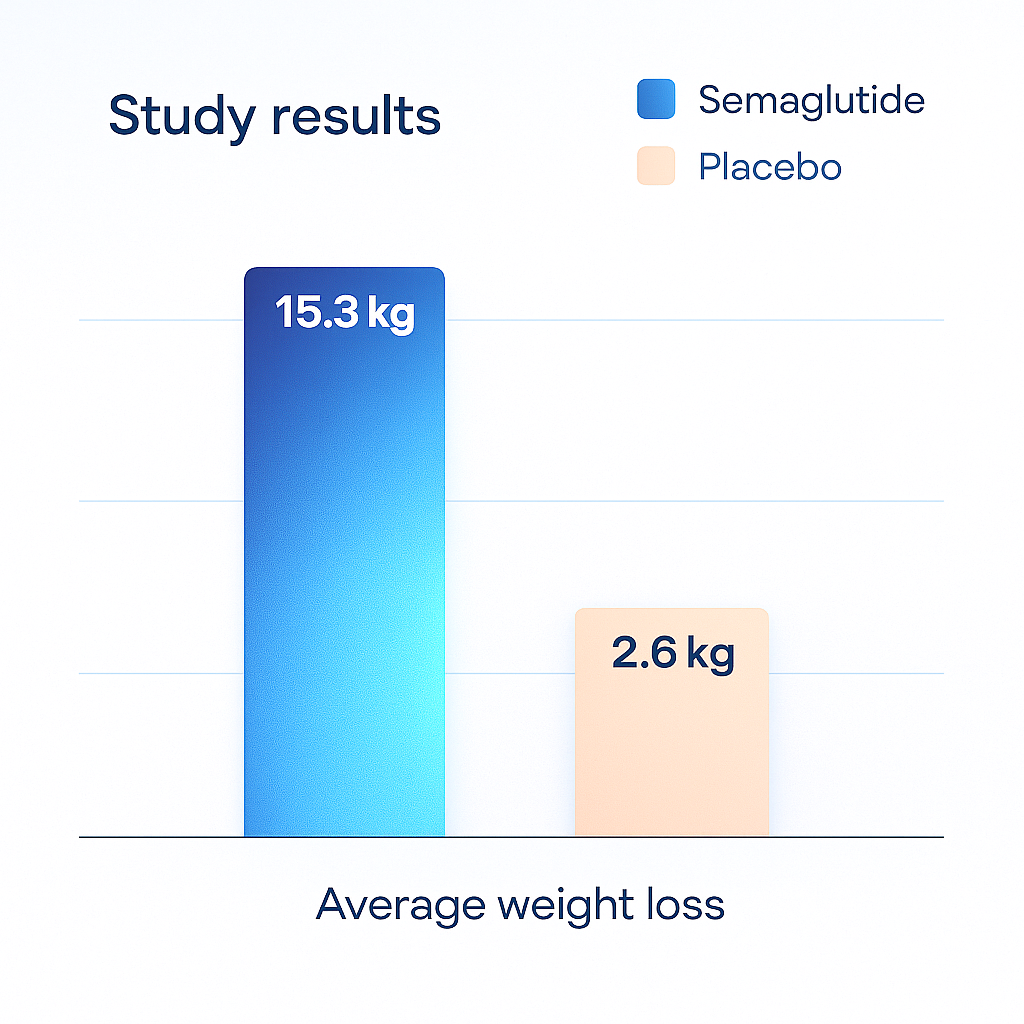
In practical terms:
- Participants with balanced hunger rhythms consumed more consistent portion sizes.
- Those depending only on lifestyle routines still showed improved awareness—but experienced more fluctuations.
These findings highlight that biological signals like GLP-1 strongly influence appetite patterns—and structured routines can support these signals naturally over time.
How long does it take to see changes?
Real, healthy progress doesn’t happen overnight. For changes in appetite, energy, and body rhythm to feel natural and sustainable, the process needs to be gradual. FitYou is designed to support steady, realistic improvements — not quick fixes.
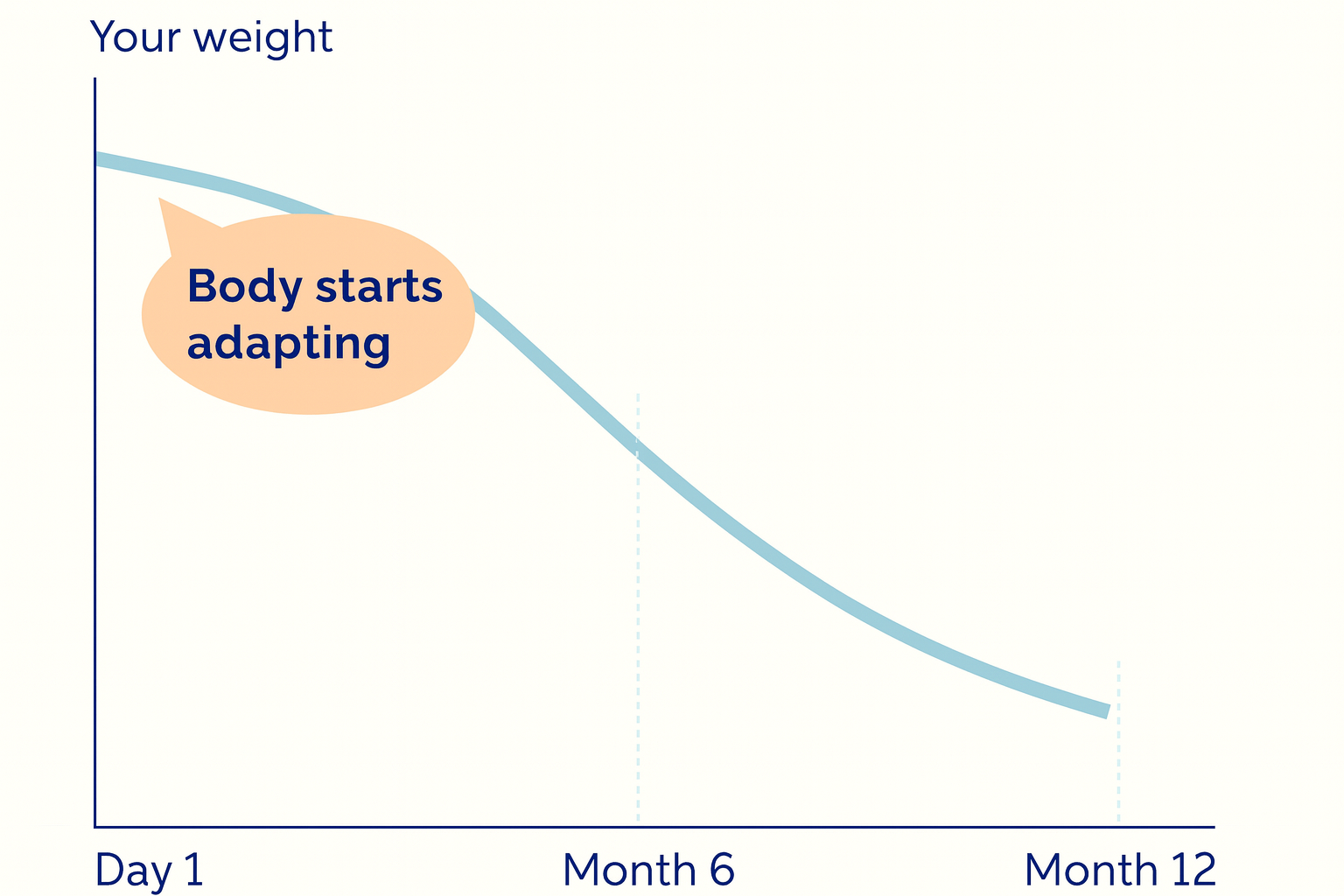
Many people begin noticing small changes in their eating habits within the first few weeks of following a more structured routine. This may look like feeling full sooner, fewer late-night cravings, or having a more predictable hunger rhythm.
These early shifts happen because your body is adapting to consistent meal timing, improved sleep, and reduced stress — all of which support natural appetite balance.
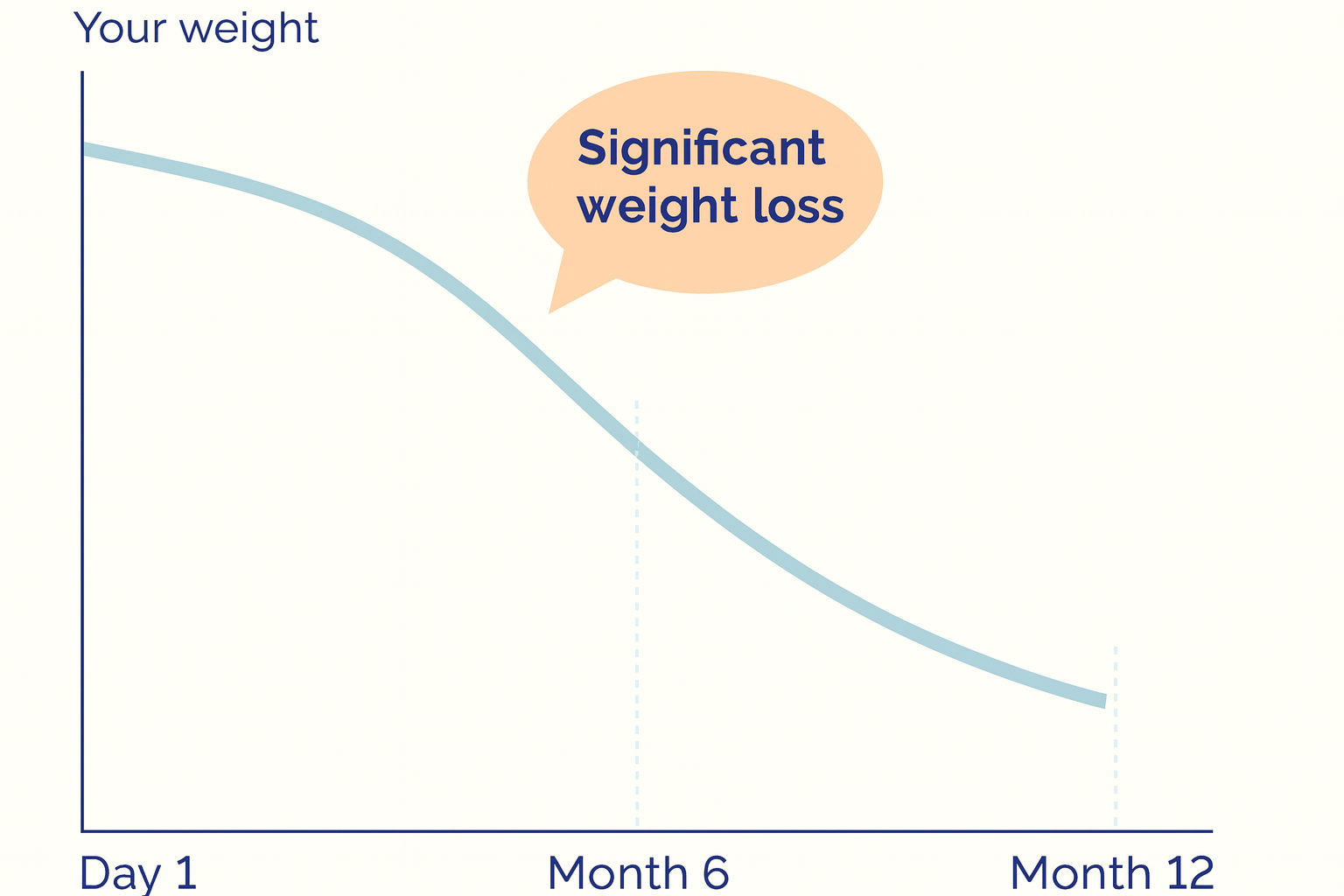
More noticeable changes typically appear after a few months of steady routine. As your eating habits, activity levels, and stress patterns become more consistent, your body begins responding in deeper, more predictable ways.
This is why FitYou focuses on long-term behaviour rather than quick transformations — sustainable routines support sustainable results.
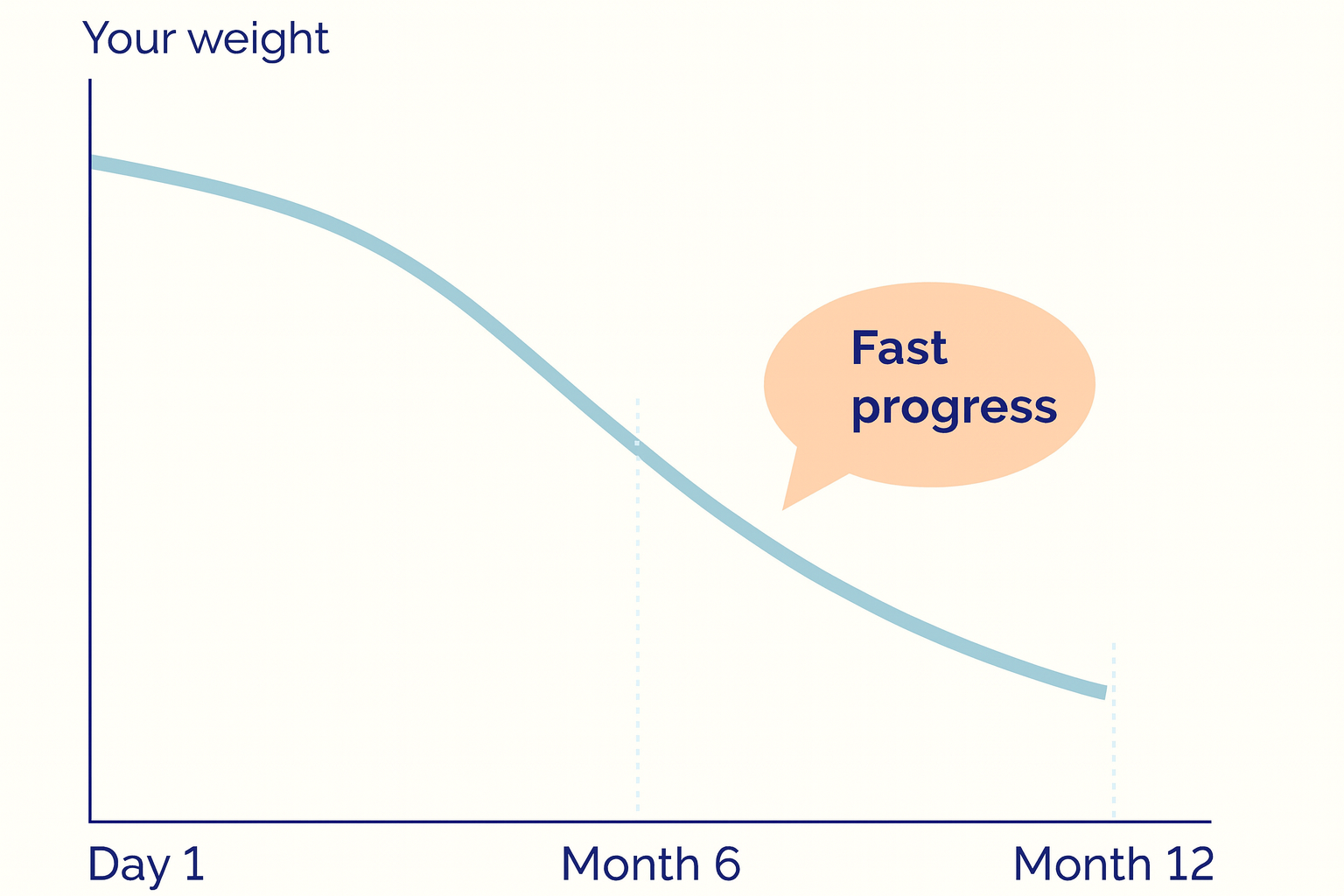
As your habits strengthen and become more automatic, progress often feels smoother and more noticeable. This happens because your routine finally supports your natural biological rhythm in a stable and consistent way.
The more aligned your daily structure becomes — sleep, movement, meals, hydration, mindfulness — the faster your body adapts and responds.
Importance of doses
Semaglutide is available in different doses for both tablets and injections. This makes it possible to start gently and increase only when your body is ready.
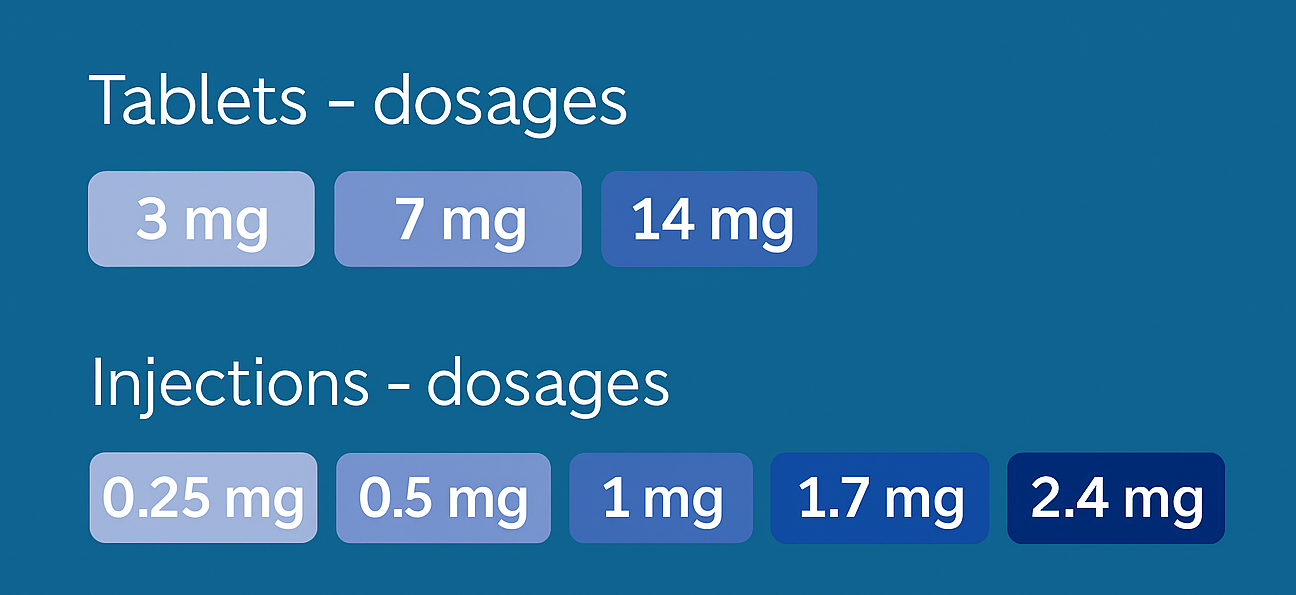
It is essential that anyone starting GLP-1 treatment begins on the lowest possible starting dose. Your body needs time to adapt to a new medication; jumping straight to a higher dose increases the chance of side-effects and makes treatment harder to tolerate.
Every four weeks you can move up to the next dose level. This slow, stepwise increase gives your body enough time to adjust to the treatment and helps reduce the risk of nausea, bloating or other gastric symptoms. A steady build-up usually leads to smoother progress.
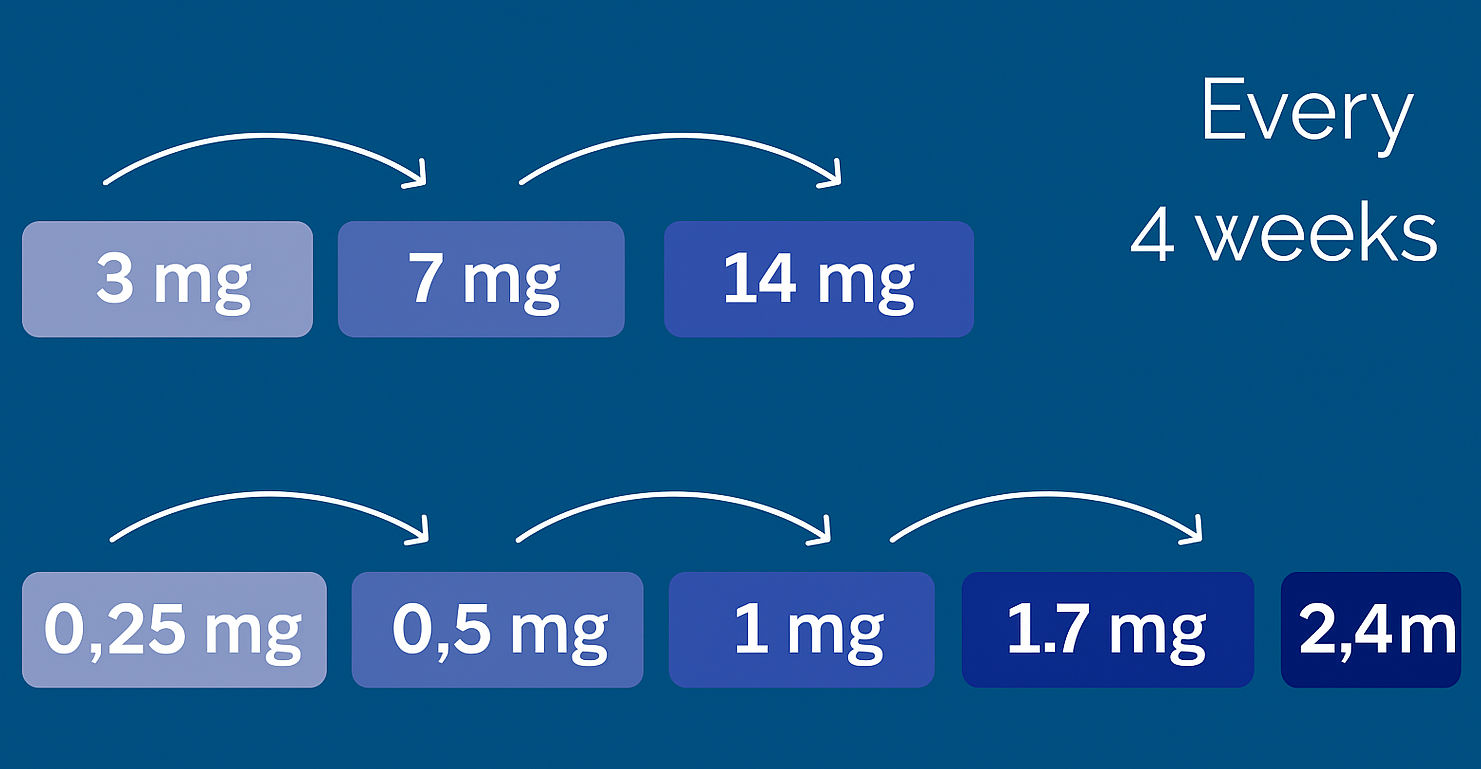
It's very important not to increase your dose earlier than advised, or to skip dose levels. If you rush through the schedule, your body may not respond as it should and you are more likely to experience stronger gastric side-effects. In some cases this can interrupt your progress or even force you to pause treatment altogether.
Following the recommended FitYou dosing plan helps your body adapt gradually, keeps side-effects manageable and supports safe, sustainable weight loss over time.
What are the benefits?
When your appetite rhythm becomes more balanced, many aspects of your daily wellbeing can improve. These benefits come from your body naturally responding to consistent routines, mindful eating, and stabilised hunger cues.
Improved appetite balance has been associated with:
- better control over cravings
- more stable energy throughout the day
- healthier portion awareness
- improved meal timing
- reduced emotional or stress-driven snacking
- a stronger connection to natural hunger cues
These changes help create a foundation for long-term wellbeing and can make sustainable progress feel much more achievable.
How you can make the most out of your routine
Understanding how your hunger rhythm works is only the first step. To see meaningful changes, pairing this knowledge with supportive habits can amplify your progress and make your day-to-day routine feel easier.
Healthy food
When your meals are balanced, your hunger signals also become more balanced. Choosing nutrient-rich foods helps stabilise energy and makes it easier to recognise genuine hunger — not emotional or convenience-driven hunger.
| Foods to choose | Foods to limit |
|---|---|
| Lean proteins | Alcohol, sugary drinks |
| Whole grains | Fast food |
| Healthy fats | Refined carbs |
| Vegetables | Processed meats |
Exercise
Staying active helps regulate your hunger rhythm, improves mood, and supports your bodys natural energy balance. Start with light, enjoyable activities and gradually build up your routine.
What if progress feels slow?
Everyone’s body responds differently to changes in routine. While many people notice shifts in their appetite, energy, or overall rhythm early on, others may take longer to adapt — which is completely normal.
If your progress feels slower than expected, it often means your body is still learning new patterns. Sleep, stress levels, activity, and eating timing all influence how quickly your internal signals stabilise.
In many cases, slow progress is simply a sign that your routine needs a bit more consistency. Building strong habits takes time, and rushing the process can feel discouraging — even though your biology may still be adjusting quietly in the background.
Some individuals experience more ups and downs along the way. That doesn’t mean change isn’t happening — only that their bodies respond at a different pace. FitYou focuses on long-term, realistic improvements rather than overnight transformations.
Take the next step
We believe GLP-1 can really help you towards better health, more energy, and boosting your self-esteem.
Find out more about our programme or take the quiz to see if you qualify.