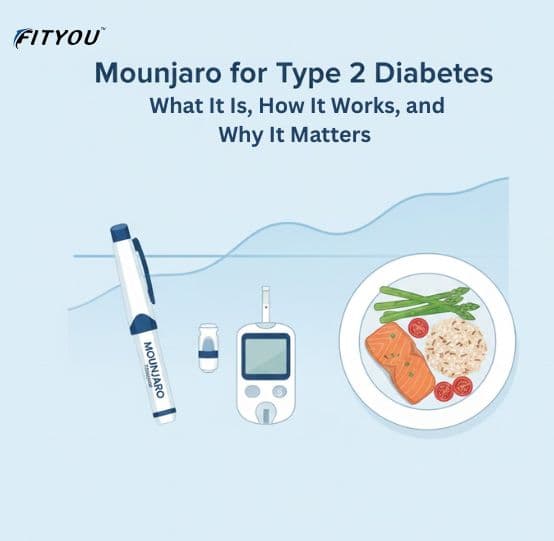
Mounjaro for Type 2 Diabetes:
What It Is, How It Works, and Why It Matters
Discover how Mounjaro helps manage Type 2 Diabetes.
Learn its benefits, dosage, side effects, weight-loss effects,
and safe ways to buy Mounjaro online with FitYou.
In this article:
- Introduction
- What Is Mounjaro?
- How Mounjaro Works
- Mounjaro for Weight Loss
- Mounjaro Dosage & Usage
- Side Effects & Safety
- Mounjaro Cost & Online Buying Safety
- Who Should Use / Avoid Mounjaro
- Why Mounjaro Matters
- Conclusion
Introduction:
Type 2 diabetes management has always been a balancing act keeping blood sugar in range while protecting energy, weight, and long-term heart and kidney health. In the last few years, Mounjaro (tirzepatide) has moved from “promising new drug” to one of the most talked-about tools in the diabetes toolkit because it targets blood sugar through a dual hormone pathway and often brings meaningful weight changes alongside improved glucose control. That combination is exactly why many people start their journey with searches like Buy Mounjaro, Mounjaro Online, or Best Mounjaro Online and why it’s important to separate what’s clinically established from what’s hype or risky shopping behavior.
In this FitYou guide, you’ll get a clear, practical explanation of what Mounjaro is, how it works inside the body, what a typical Mounjaro dosage path looks like, what Mounjaro side effects are most common (and what signals need urgent care), how mounjaro cost tends to shape real-world access, and why this medication matters for the future of type 2 diabetes care. This is educational information not a replacement for a clinician’s personalized advice but it will equip you to have a sharper, better-informed conversation at your next appointment.
What is Mounjaro (tirzepatide) and where does it fit in type 2 diabetes care?
Mounjaro is the brand name for tirzepatide, a prescription injectable medication approved to improve glycemic control in adults with type 2 diabetes as an adjunct to diet and exercise. The U.S. FDA approved Mounjaro for this purpose in May 2022, and major regulators such as the European Medicines Agency similarly describe it for adults with insufficiently controlled type 2 diabetes (alone or with other diabetes medicines, depending on the clinical situation).
What makes Mounjaro stand out is its mechanism: it is designed as a “dual agonist” (it activates two hormone receptors rather than one). In day-to-day terms, that can translate into stronger glucose lowering for many patients and, for a large subset, noticeable reductions in appetite and body weight effects that are often top-of-mind for people searching Mounjaro for weight loss even though Mounjaro’s core diabetes approval is about glycemic control.
FitYou’s practical takeaway here: Mounjaro is not a “lifestyle shortcut,” but it can be a highly effective medical support when paired with consistent nutrition, movement, and monitoring especially when previous regimens are not delivering target A1C or are hard to tolerate.
How Mounjaro works (in plain language): the dual-hormone edge
2.1 The GLP-1 + GIP approach (what “dual agonist” really means)
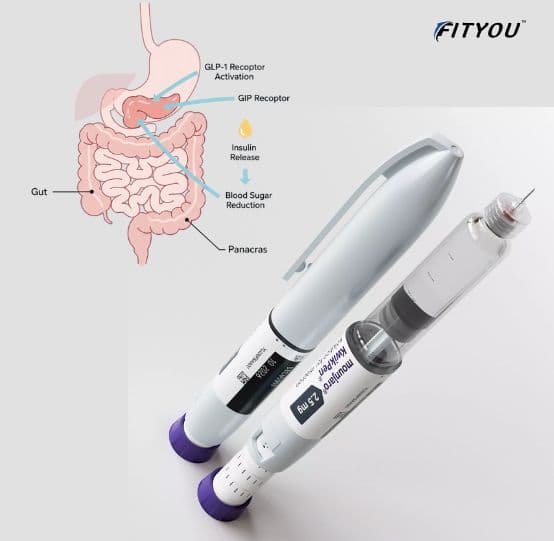
Mounjaro is built to activate both GLP-1 (glucagon-like peptide-1) and GIP (glucose-dependent insulinotropic polypeptide) pathways two gut-derived hormones that help regulate blood sugar after meals. When these pathways are engaged, the body generally responds by:
- increasing insulin secretion when glucose is elevated (helping bring post-meal glucose down),
- reducing glucagon effects (which can otherwise push blood sugar up),
- slowing gastric emptying (food moves more slowly through the stomach, smoothing the glucose rise after eating),
- supporting reduced appetite for many users (a major driver of weight change in clinical studies).
2.2 What this means in outcomes: glucose control and weight trends
The strongest evidence for Mounjaro’s real-world impact comes from the SURPASS clinical trial program and related peer-reviewed work comparing tirzepatide against other established therapies. In SURPASS-2 (and related trials), tirzepatide produced strong A1C reductions and clinically meaningful weight loss compared with comparator treatments, with high proportions of participants reaching common A1C targets in the trial setting.
For readers, the key point isn’t just “it works” it’s why it can matter: better A1C control generally reduces the long-term risk of diabetes-related complications (eye, kidney, nerve, and vascular damage) when paired with consistent overall care. That’s the “why it matters” behind the hype.
Mounjaro for weight loss: separating a real effect from the marketing noise
A lot of attention around Mounjaro comes from weight outcomes—so naturally, the phrase “Mounjaro for weight loss” shows up everywhere. In clinical comparisons, tirzepatide has been associated with larger average weight reductions than some single-hormone GLP-1 options at the tested doses, which helps explain why patients and clinicians explore it as part of broader metabolic care plans.
At the same time, it’s important to keep boundaries clear:
- Mounjaro’s primary diabetes role is improving glycemic control in adults with type 2 diabetes (as an adjunct to diet and exercise).
- For weight management without diabetes, tirzepatide is marketed under a different brand (in the U.S.) with a separate regulatory pathway and indication.
FitYou’s honest framing:If your main goal is weight reduction, Mounjaro may still appear in your options depending on your diagnosis and your clinician’s judgment—but the safest path is always matching the medication to the approved indication and your individual medical profile.
Mounjaro dosage: how the dosing ladder works (and why it’s structured this way)
Because Mounjaro is typically started at a low dose and stepped up gradually, the “Mounjaro dosage” conversation is less about a single number and more about a controlled ramp designed to balance benefit with tolerability.
The standard titration pattern (what most patients will recognize)
FDA prescribing guidance describes a typical starting dose of 2.5 mg once weekly, with gradual increases (usually in 2.5 mg steps) to higher maintenance doses depending on response and tolerance. Labeled higher strengths include 5 mg, 10 mg, and 15 mg once weekly in the diabetes program.
Why the slow build matters (a practical explanation)
Most people tolerate Mounjaro best when increases happen after the body has adjusted to the previous dose. The same mechanisms that improve glucose and reduce appetite (slower gastric emptying and stronger gut hormone signaling) can also trigger short-term digestive symptoms if the dose is raised too quickly.
In other words: the “dose ladder” is part of the safety and comfort design, not just a technical formality.
How usage looks day-to-day (without turning this into a medical prescription)
Mounjaro is administered as a weekly subcutaneous injection using the supplied pen device. Consistent weekly timing and rotating injection sites are common habits to limit irritation and keep the routine sustainable.
The exact plan—starting dose, escalation pace, and maintenance level—should always be individualized by a clinician based on A1C goals, side-effect tolerance, concurrent medications, and overall health profile.
Mounjaro side effects: what’s common, what’s uncommon, and what truly needs help
Any medication that meaningfully changes metabolism can also produce side effects—especially early in treatment or after a dose increase. The most frequently reported Mounjaro side effects are gastrointestinal: nausea, vomiting, diarrhea, and constipation. These arise from the drug’s gut-centered mechanism and are among the most common reasons people may need slower titration or supportive adjustments (smaller meals, hydration, gentler foods).
Common side effects include:
- • Nausea
- • Vomiting
- • Diarrhea
- • Constipation
Less common but important safety considerations:
- • Caution around pancreatitis risk
- • Potential allergic reactions
- • Rare but serious complications described in prescribing information
The safest rule: if symptoms are severe, sudden, or worsening especially if abdominal pain is involved—treat it as a medical issue that requires prompt professional evaluation, not something to “wait out.”
FitYou’s bottom line:Side effects are often manageable with pacing and support, but pushing through red-flag symptoms is not the right approach.

Mounjaro cost (and why “Best Mounjaro Online” is a risky phrase to chase)
Cost is one of the biggest real-world determinants of whether Mounjaro remains a sustainable long-term treatment. Pricing is highly variable because the out-of-pocket amount depends on where you live, your insurance coverage (if any), the pharmacy, and eligibility for manufacturer or patient-support programs. Lilly’s pricing information emphasizes that what people pay can differ widely from the list price because insurance design and individual plan rules drive the final cost.
Independent consumer health resources commonly report that without insurance, monthly costs can fall into the four-figure range for many patients, while actual paid amounts may be lower when coverage or assistance applies.
A note on “Best Mounjaro Online” and “Mounjaro Online”
The safest interpretation of these searches is: “the best path to a legitimate prescription and verified dispensing channel,” not “the cheapest site that will ship without proper oversight.”
Counterfeit or improperly stored injectable medications are a real risk in unregulated online marketplaces. The safer route is always a clinician-led plan—often including legitimate telehealth pathways where legally available—paired with dispensing through licensed pharmacies.
This isn’t about scolding; it’s about protecting your health and your money.
Who benefits most (and when Mounjaro may not be the right fit)
The clearest-fit profiles
Mounjaro tends to be most compelling for adults with type 2 diabetes who:
- • are not meeting A1C targets despite lifestyle measures and existing therapy,
- • need a therapy that can address both glucose and (often) weight together,
- • prefer a once-weekly injection schedule rather than daily dosing.
Regulatory labeling frames Mounjaro as a treatment for adults with insufficiently controlled type 2 diabetes, used alongside diet and exercise and, in many cases, alongside other diabetes medicines as clinically appropriate.
When it may be less appropriate (why the “is Mounjaro right for me?” question is valid)
Because Mounjaro is not a one-size-fits-all solution, the decision should factor in broader health context—other medications, kidney function considerations, gastrointestinal history, and personal risk factors that shift the risk–benefit balance.
The medication labeling and professional references provide the guardrails clinicians use to match the therapy to the patient’s profile.

Why Mounjaro matters (beyond the headlines): a practical shift in diabetes management
What makes Mounjaro important is not just that it improves numbers on a lab report—it’s that it can reshape what “manageable diabetes” looks like for many people. When a therapy improves A1C more effectively and also supports meaningful weight change, it can reduce the need for complex medication layering, make lifestyle habits easier to maintain, and improve confidence that control is achievable without constant glucose chasing.
The SURPASS program and related clinical evidence are the backbone of this shift: they show that a dual-hormone approach can deliver strong glycemic improvements alongside metabolic benefits that matter in daily life.
FitYou’s practical translation:
Mounjaro is one of the most consequential additions to the type 2 diabetes toolkit in recent years — but it works best when the “drug plan” is aligned with the “life plan” (sleep, food patterns, movement, stress management, and regular monitoring).
Conclusion: turning information into smart decisions (FitYou’s take)
If you’re exploring Mounjaro—whether you arrived here searching Buy Mounjaro, Mounjaro Online, or Mounjaro for weight loss—the most helpful next step is to convert curiosity into a structured discussion with a qualified clinician:
- • What is your current A1C and trend?
- • What treatments have (or haven’t) worked—and why?
- • What outcomes matter most to you: glucose stability, weight, energy, fewer side effects?
- • And what’s the safest, most affordable path to consistent access where you live?
FitYou’s role is to make this landscape less confusing: Mounjaro is a well-studied, FDA-approved option for adults with type 2 diabetes. It works through a dual-hormone mechanism that can translate into strong glucose control and meaningful weight changes. Real-world outcomes depend on correct dosing, realistic expectations about side effects, and safe, legitimate access pathways — not the fastest or cheapest “online” route.
Launched in India in June 2025
Mounjaro for weight loss: Now available at Aktive If you are looking for a safe, effective, and sustainable weight loss with Mounjaro, your search ends at Aktive’s weight loss programme. Get your Mounjaro injection for weight loss at Aktive, and lose upto 21% of your body weight in 16 months. No restrictive diets. No intense workout schedules. Just pure weight loss, right from the comfort of your home.
FAQs
Mounjaro (tirzepatide) is a prescription medication for adults with Type 2 Diabetes. It works by activating two hormone receptors GLP-1 and GIP that help regulate blood sugar, improve insulin sensitivity, and slow digestion. This dual action helps reduce A1C levels and often leads to weight loss. Mounjaro is taken once weekly via injection. It is not a substitute for healthy lifestyle habits but works best when combined with diet and exercise. Always use it under medical supervision, as dosing and treatment plans vary by patient.
Mounjaro is FDA-approved for Type 2 Diabetes, but many patients experience weight loss as a secondary effect due to reduced appetite and improved metabolism. While studies have shown significant weight reduction, safety depends on your health history, medications, and risk factors. Some people experience digestive side effects, especially during dose increases. Weight-loss-specific tirzepatide versions exist, but only a doctor can determine which is right for you. Never use Mounjaro for weight loss without medical guidance, as misuse can cause complications.
Common Mounjaro side effects include nausea, vomiting, diarrhea, constipation, decreased appetite, and indigestion. These typically occur during the first few weeks or after a dose increase. Most people find symptoms improve as the body adjusts. Drinking water, eating smaller meals, and avoiding heavy or greasy foods may help reduce discomfort. Although rare, serious side effects may include pancreatitis or severe allergic reactions. If severe abdominal pain, shortness of breath, or swelling occurs, seek immediate medical care. Always report unusual symptoms to your healthcare provider.
Many users begin noticing improved blood sugar levels within the first 1–2 weeks of starting Mounjaro. More significant changes in A1C typically appear after 8–12 weeks, depending on dosage and individual response. Weight loss may start gradually, often becoming more noticeable after the first month as doses increase. Because Mounjaro is taken weekly, consistent use is essential. Your healthcare provider may adjust your dose based on your blood sugar readings and side effects. Full treatment benefits may take several months, so patience and consistency are key.
The typical starting dose of Mounjaro is 2.5 mg once weekly, used for initial tolerance rather than blood sugar control. After four weeks, the dose usually increases to 5 mg, with additional increases (7.5 mg, 10 mg, 12.5 mg, or 15 mg) depending on response and side effects. Your doctor determines the best dosage for your needs. Never adjust your dose without medical supervision, as increasing too quickly can amplify digestive symptoms. Always follow the injection schedule and instructions provided with your prescription.
You can buy Mounjaro online, but only through licensed telehealth providers and verified pharmacies. Safe online platforms require a valid prescription and never advertise “no-prescription needed” offers. Avoid suspicious websites selling discounted or unlabeled products, as counterfeit injectable medications can be dangerous. Look for pharmacy verification badges and read reviews carefully. When in doubt, consult your doctor for guidance. Purchasing through proper medical channels ensures you receive authentic medication that’s stored, handled, and shipped safely.
Mounjaro’s cost varies widely depending on insurance coverage, pharmacy pricing, location, and eligibility for manufacturer savings programs. Without insurance, it can be expensive; with insurance, many patients pay significantly less. Manufacturer discounts may lower the cost for those who qualify. Telehealth services and pharmacies also vary in pricing, so comparing options can help. Never purchase extremely cheap Mounjaro online, as it may be counterfeit. To find the most affordable and legitimate options, consult your healthcare provider or verify licensed online pharmacies.
Mounjaro is not recommended for people with Type 1 Diabetes, children, or individuals with a personal or family history of certain thyroid cancers, such as medullary thyroid carcinoma. It may also be unsuitable for those with pancreatitis history or severe gastrointestinal issues. Pregnant or breastfeeding individuals should avoid Mounjaro unless specifically approved by a doctor. Always provide your full medical history to your healthcare provider before starting treatment. Your doctor will determine whether Mounjaro is safe and appropriate for your unique health situation.
Mounjaro is often used alongside other diabetes medications like metformin, insulin, or SGLT2 inhibitors. However, combinations need careful monitoring because some medications especially insulin may increase the risk of low blood sugar when used together. Your doctor may adjust doses to prevent hypoglycemia. Never mix or stop medications without professional guidance. Your medical team will create a personalized treatment plan to ensure safe and effective blood sugar control while minimizing side effects or drug interactions.
If you miss a dose of Mounjaro, take it as soon as you remember as long as it’s within 4 days (96 hours) of your usual injection time. If more than 4 days have passed, skip the missed dose and take the next one at your regular time. Do not double-dose to catch up. Missing doses occasionally may slightly impact your blood sugar or weight-loss progress, but consistency is what matters most. If you frequently forget injections, speak with your provider about strategies or reminders that can help.
About the author:
Gauri Ghatnekar-Desai
holds a PG Diploma in Emergency Medical Services from Symbiosis Institute of Health Sciences, Pune. As a professional healthcare writer, she creates simple, accurate, detail-oriented content for health organisations, healthcare providers, and patients.
Beyond the desk, she enjoys reading, travelling, and adventure sports.